


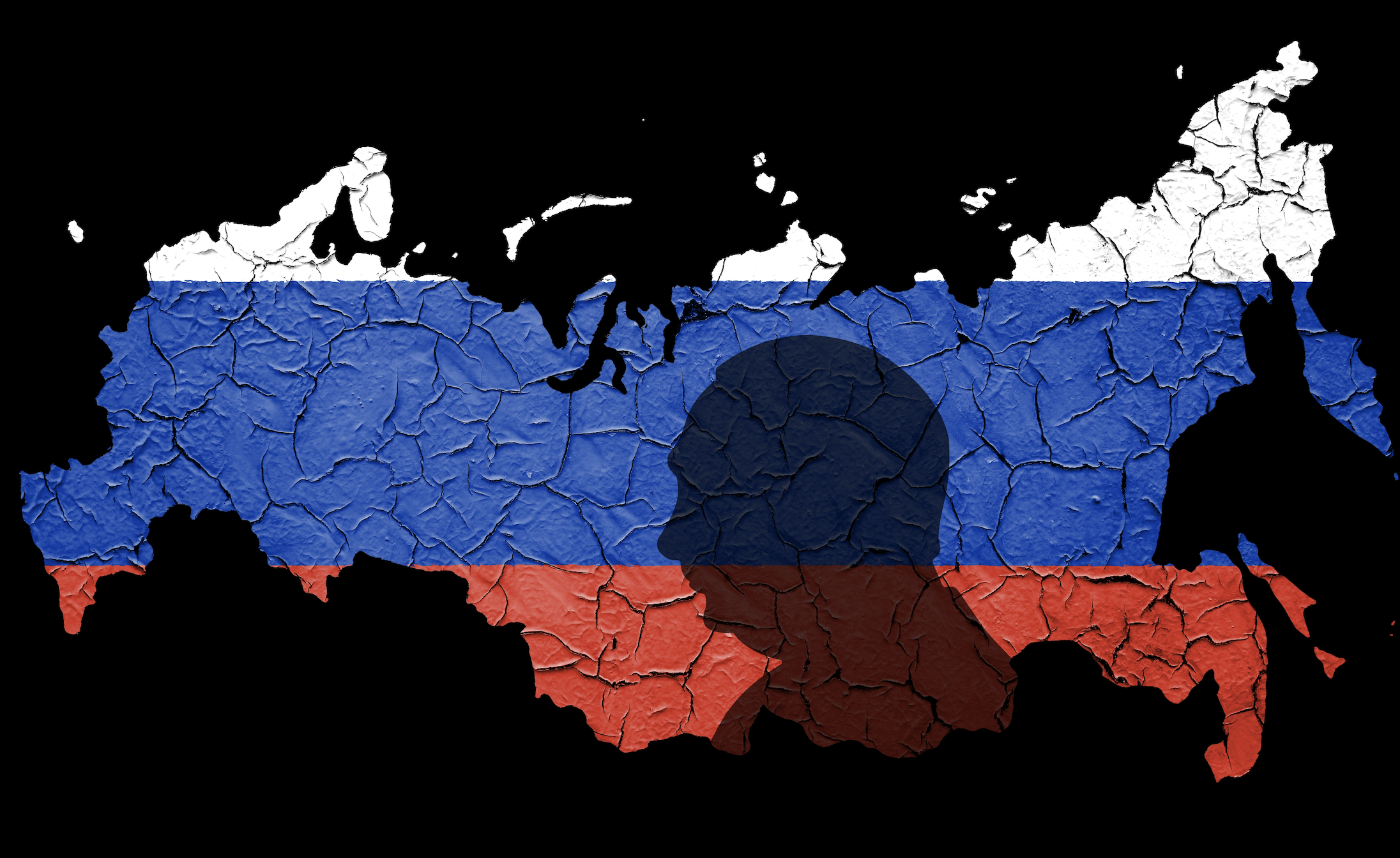
In a move at the expanded BRICS summit held in Kazan, Russia, President Vladimir Putin has advocated for the development of a new international payment system. This system is proposed as an alternative to the current U.S.-dominated framework, aiming to mitigate the political leverage the U.S. holds through its currency. Putin critically remarked on the use of the dollar as a “political weapon,” emphasizing the need for a change to secure global economic stability.
During his speech, Putin highlighted the shift in trading practices between Russia and China, noting that nearly 95% of their bilateral trade is now conducted using their national currencies, the ruble and yuan. This move towards de-dollarization reflects a growing trend among certain nations to reduce reliance on the dollar amidst geopolitical tensions.
However, the summit’s final statement revealed a lack of significant progress in establishing this new payment mechanism. The discussions at the summit underscored the complex dynamics within BRICS, with members like Brazil and India showing reservations. These nations are cautious about the group evolving into a forum that predominantly supports anti-Western sentiment and aligns closely with Chinese interests.
Amidst these strategic deliberations, Russia announced its ongoing efforts to develop a transaction system that would operate independently of the Belgium-based Swift payment network. This initiative marks one of the most tangible outcomes of the summit, positioning Putin on a significant international stage for the first time since the 2022 Russian invasion of Ukraine.
The summit also saw a convergence of global leaders, including India’s Prime Minister Narendra Modi, China’s Premier, and South Africa’s own President Cyril Ramaphosa. UN Secretary-General António Guterres also made a notable appearance, amidst criticism from Ukraine for engaging with Putin, who is currently under an arrest warrant from the international criminal court.
In the geopolitical arena, the summit revealed a split. While some leaders expressed desires for a peaceful resolution in Ukraine, others, including Modi, engaged more directly with the conflict’s discussions. The summit’s communique included a solitary mention of a joint Brazil-China peace initiative for Ukraine, juxtaposed with strong condemnation of other international issues.
Furthermore, Putin expressed enthusiasm about the unprecedented interest from nations of the global south in joining BRICS. The summit marked a controversial expansion from five to nine members, reflecting a strategic but contentious broadening of the group’s scope and objectives. Newly admitted members include a diverse mix of countries from different continents, enhancing BRICS’s global footprint and potentially shifting its diplomatic weight.
This year’s summit not only highlighted the internal divisions and challenges within BRICS but also underscored the global geopolitical shifts as nations reevaluate their economic alliances and strategies in a rapidly changing world.
— In Confidence and Curiosity, CV